

lately, i’ve been collecting spaces.
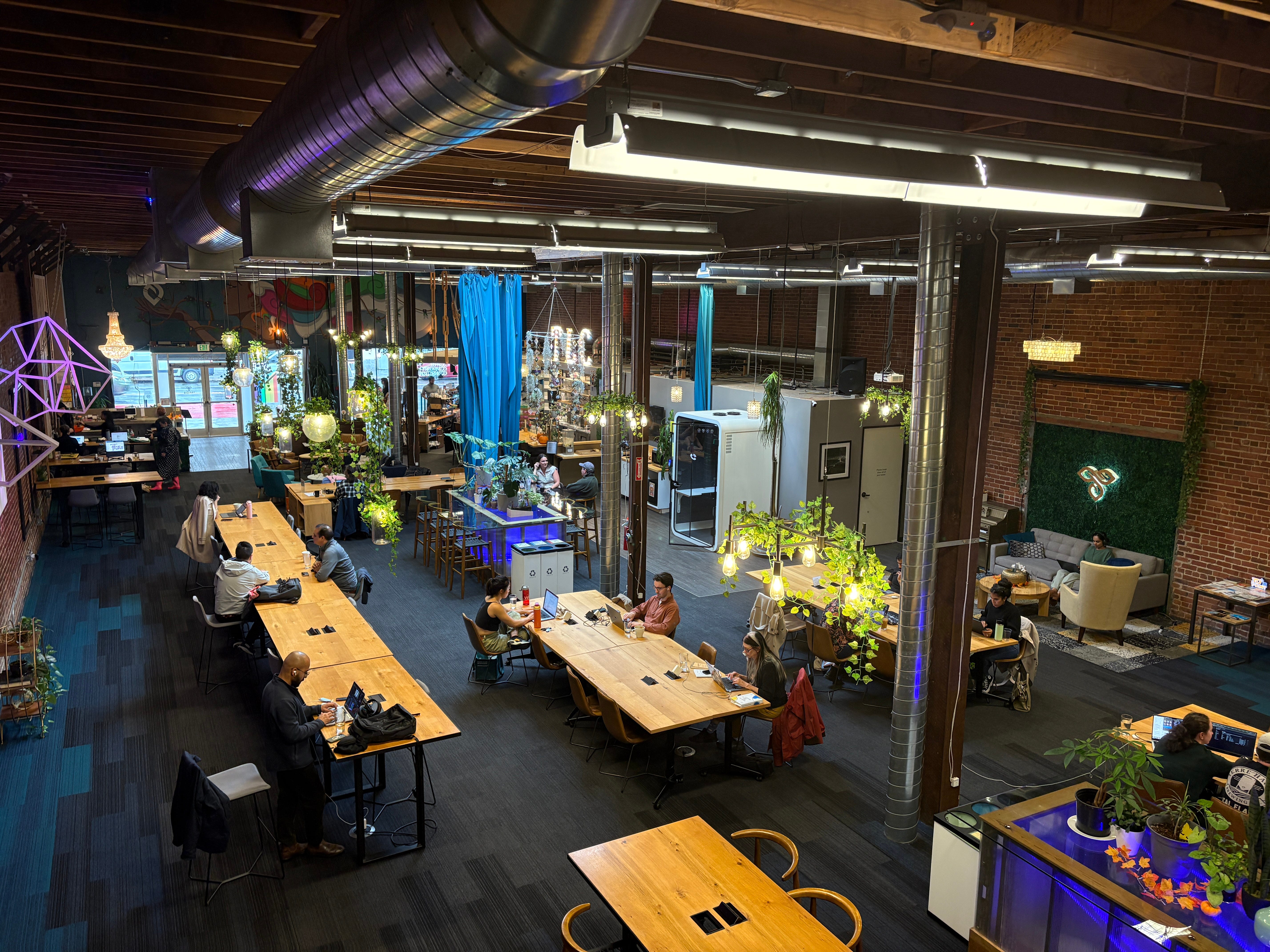
co-working spots. matcha cafes. soft couches in offices. places with cozy light and high ceilings.
two months after leaving a traditional tech role to pursue my artistic passions, i’ve been designing my new life around a rotation of comfort places and people, while noticing a similar idea come up in conversation:
whether one should follow an urge to do something different.
at moments in our lives, i think we’re pulled towards the unconventional. sometimes in small ways, sometimes in life-changing ones.
having taken an unconventional leap recently, i’ve come to believe that one should really follow that pull. here are some reflections on why.
1. “unconventional” means a need isn’t being met where you are
“unconventional” isn’t fundamentally about being different, it’s about noticing what your context worships, and choosing differently.
the concept itself is geography-bound. change the location, change the meaning.
here in the bay, being a creator is unconventional. tech is gravity, pulling everything towards its center.
in new york city, where i was living until recently, things are quite different. creation is in the air. there are artists, founders, curators, new labels becoming. a new cheese club, a pop-up art gallery.
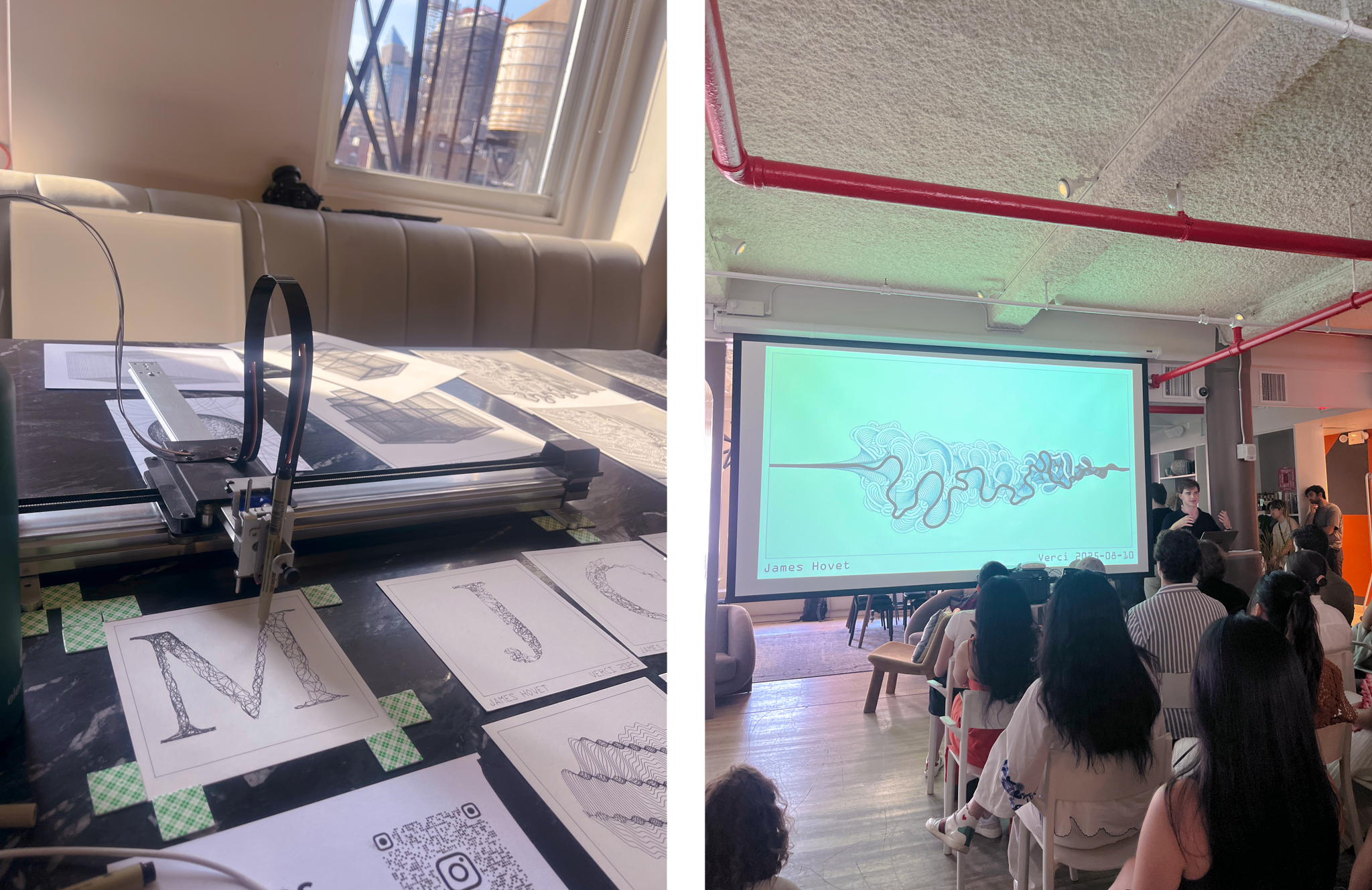
sadly, there isn’t such a creative class in the bay.
new york has built economies around art, from publishing to fashion, anchored by its creative infrastructure.
the bay did have its own scene, once. the beats in north beach, the summer of love in haight-ashbury. but by the 80s, those collectives gave way to silicon valley’s garages, and culture shifted.
as a creative here now, prophetically to what i wrote weeks ago:
i’m scared of the uncertainty that is being a creator—of losing myself in numbers, of missing the camaraderie of a team, of loneliness.
i admit i have been feeling a little bit lonely. but i’ve realized that this discomfort doesn’t actually reflect on who i am, it means a need isn’t being met where i am.
loneliness means you’re missing something that you can create, that could start with someone who asks you: how did you do it?
2. the lack of legibility is power, not weakness
at first, i thought the hardest part about doing something unconventional is losing legibility.
in college, you would struggle through the same math class with your peers. on a product team, you would grind through the same feature sprint with your team. someone tells you it’s okay, you’ve done enough, it’s time to go home.
now that i am a creator, there is no collective finish line. no moment when everyone leaves the office.
but i’m also learning that when you withdraw from legibility, you also withdraw from other people’s ability to measure you.
when they can’t read what you’re doing, you can invent. you can try things. fail in ways no one notices. succeed in ways no one has the words for yet.
3. prestige is a game you win by not playing
especially in the bay area, prestige tempts with its legibility. its collective understanding of what’s good.
that magnet is so strong i sometimes catch myself doubting whether what i’m doing now is real work, even though i finally admire what i do instead of just wanting to.
in when to do what you love, paul graham writes that prestige is like a powerful magnet that warps even your beliefs about what you enjoy. it causes you to work not on what you like, but what you’d like to like.
here’s the thought that he offers: prestige is the collective opinion of people you don’t know. when you zoom out far enough, it doesn’t make any sense.
would you take advice from a random person on the street about how to live your life? no. so why would you let the collective opinion of thousands of random people determine what you value?
you can spend your whole life impressive to strangers, or you can spend it doing work that impresses you.
(and if there were anyone else i would want to impress, it would be my future kids and grandkids. i want mine to hear stories of mom/grandma who had the nerve to do what she wanted.)
if you’re on an unconventional path, or even just beginning to imagine one, you’ve probably felt the discomfort of not being fully legible—i hope you sit with that feeling.
don’t turn away. it’s a signal that what you’re doing matters.
the flame of that kind of work is special; let it burn.
tech art gallery mentioned 🚨
I love this concept of legibility, and I love how you highlighted how prestige offers instant legibility but often at the expense of what we really want to do.
great piece Cole!
what I needed to read today! I’m so drawn to the prestige of people working in AI hyper-growth startups with billion-dollar valuations. I keep trying everything I can to get in — to earn that recognition of being one of “the chosen,” with all the potential money, success, and achievements I could later brag about.
But then I read posts from those (mostly male) founders bragging about the 996 culture, overflowing with ego and showing zero care for the people actually doing the grind, and I can’t help but think: do I really want that?
I’m already building my own universe — I’m a community founder, a creator, and a marketer in my 9–5 — and every day I wonder what I can build that gives me the same sense of fulfillment and recognition, without following what’s conventionally celebrated right now.
It’s a long reflection, but I needed to let it out — it’s exactly what’s been on my mind today. And this article found me so serendipitously ✨✨✨✨